
The Shape Of A Missing Cup
Why it didn't survive 1963

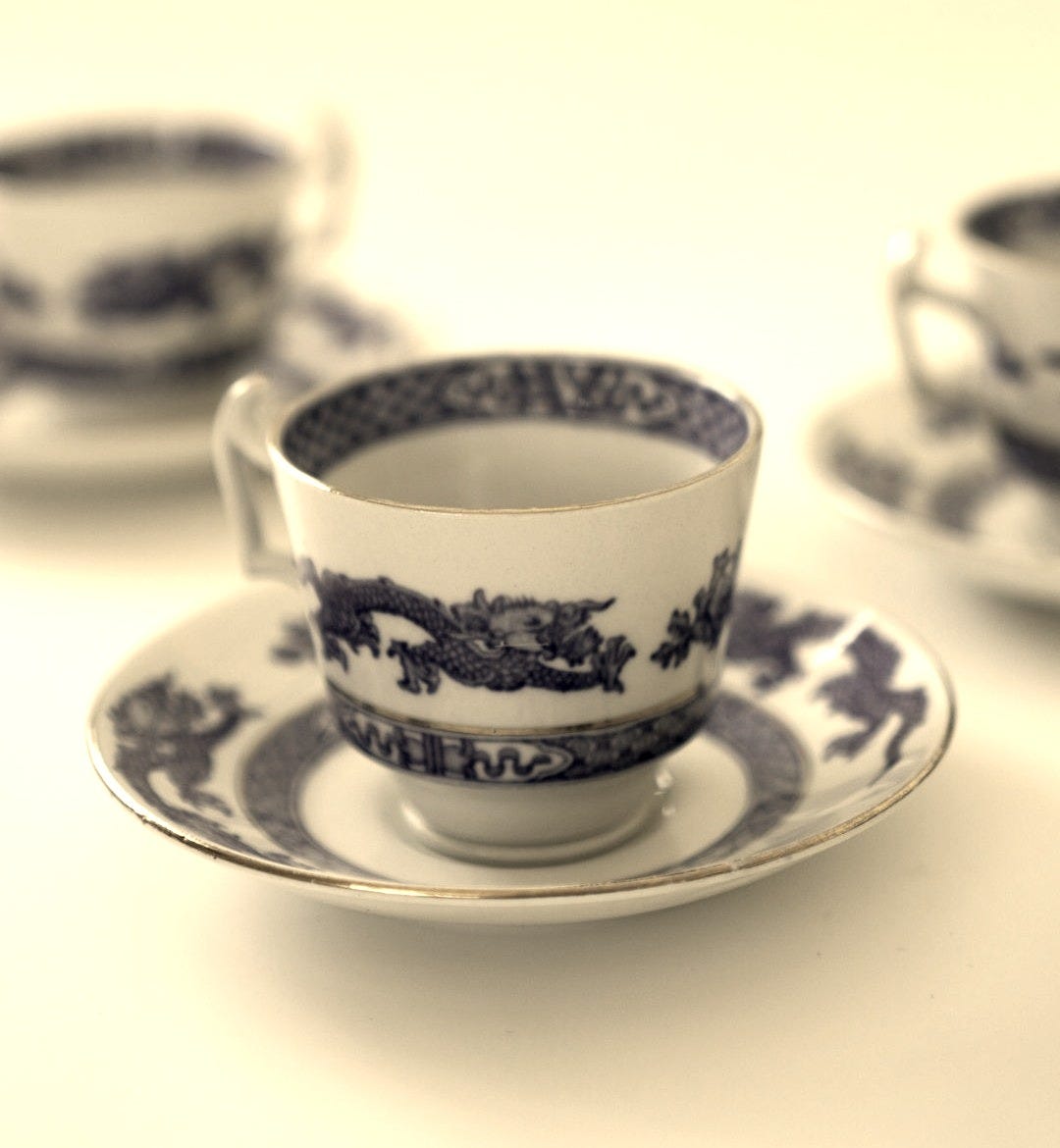
My grandmother’s bone china survived two world wars, an ocean crossing, and great-grandmother’s cooking. It didn’t survive 1963.
Grandma smelled like tobacco and White Shoulders perfume. She was one of the best people I ever knew.
This is the story of the teacup.
My mom was nine in 1963, and had told my Grandma that a new family was moving in on their street—into the corner house. The next day, my mother went over with Grandma to introduce herself and welcome them to the neighborhood.
Grandma was first-generation American. Her mother was Irish. Father a third-generation Irish American. They believed in the American Dream. They were staunch Democrats. They believed all people had the right to be themselves.
When the door opened, my grandma was introduced to her new neighbors. They were the first black family to move into the neighborhood. My grandma didn’t even blink. She shook the woman’s hand.
I don't know her name. Stories blur at the edges with time, and I am two generations removed from that porch. Let's call her Mrs. Anderson. Before Mrs. Anderson had been on the porch two minutes, Grandma had invited her for high tea the following afternoon.
Which in 1963 Arizona was its own statement. Even if nobody said so out loud.
My grandma loved an excuse to put on a whole spread. Tea, scones, pastries, finger sandwiches, the works. My mom begged to attend as well, and I think my Grandma needed the support because she agreed.
The next day, in their Sunday best, they warmly welcomed Mrs. Anderson and sat down for an afternoon of tea and conversation. They had a lovely time. They laughed, and they bonded.
They didn’t discuss the March on Washington or Birmingham. One doesn’t discuss politics over tea, Grandma would say. 1963 was a tipping point in the civil rights movement, but in Arizona, in my grandma’s living room, they were just two housewives getting to know one another and enjoying each other’s company.
Soon, the sun turned golden through the slats in the blinds, and the hour to prepare dinner approached. With promises to meet again, Mrs. Anderson left.
My mom started clearing up.
“Stop!” Grandma said. She picked up Mrs. Anderson’s teacup, beautifully hand-painted, the china so thin and delicate you could see your hand through the cup.
“I can never use this cup again,” she said, and burst into tears.
My mom watched all of this in silence.
Grandma went to the trash, threw the fragile teacup in, and watched it shatter. No second-guessing. Then she gently washed the other china and placed that saucer front and center, where the absent teacup stuck out like a missing tooth.
When my mom inherited the china, we displayed it the same way. We had many discussions spurred on by a missing teacup.
I don’t know where the china is now—lost, like so many things, to time, moving, and the general uncertainty that is life.
I remember the shape of that missing cup. I think I always will.

Also, you can donate to my Venmo: @ElleBecker5